
Water Heater Colorado Springs: How Long Should Yours Really Last?
By Tim Hernandez, Colorado-licensed master plumber and owner of Koala Water Heaters
I’m Tim, the owner and plumber behind Koala Water Heaters. This Old House has a short video that tackles a few common water heater myths: how long a tank lasts, what the anode rod does, whether draining helps, and what to do when you find a puddle. It’s good information. I wanted to add how it plays out on the calls I actually get around Colorado Springs, because the order you do things in matters a lot once water is on the floor.
Video and screenshots are used for commentary and educational purposes. This Old House is not affiliated with or endorsing Koala Water Heaters.
Why Water Heater Age Matters in Colorado Springs
Most of the calls I get start the same way. There’s a trail of water running from the water heater to the floor drain. The heater is usually still working, and it’s rarely a burst-tank, flooded-basement situation. But it’s leaking, and now a decision that could have been planned has to happen fast.
I’ve been plumbing since 2013 and have more than 750 water heater installs behind me, and the homeowners who have the easiest time are the ones who knew roughly how old their tank was before anything went wrong. That’s what this post is really about: knowing where your water heater in Colorado Springs stands so you can decide on your own schedule, whether you’re in town, in Fountain, or out toward Peyton.
How Long Does a Water Heater Last?
The number you’ll see everywhere is 8 to 12 years for a tank water heater. That’s a reasonable ballpark, but it’s an average. How well the tank was maintained, how hard it’s been worked, and the condition of the anode rod all push a specific tank toward one end of that range or the other.
Where the tank sits matters too. A water heater in an unfinished basement next to a floor drain is a lower-stakes leak than one on a main level or above finished living space, where a slow leak can soak into flooring or drywall before anyone notices. If your tank is in one of those spots and getting into that age range, it’s worth planning a replacement sooner rather than later.
Find the Rating Plate Before You Guess
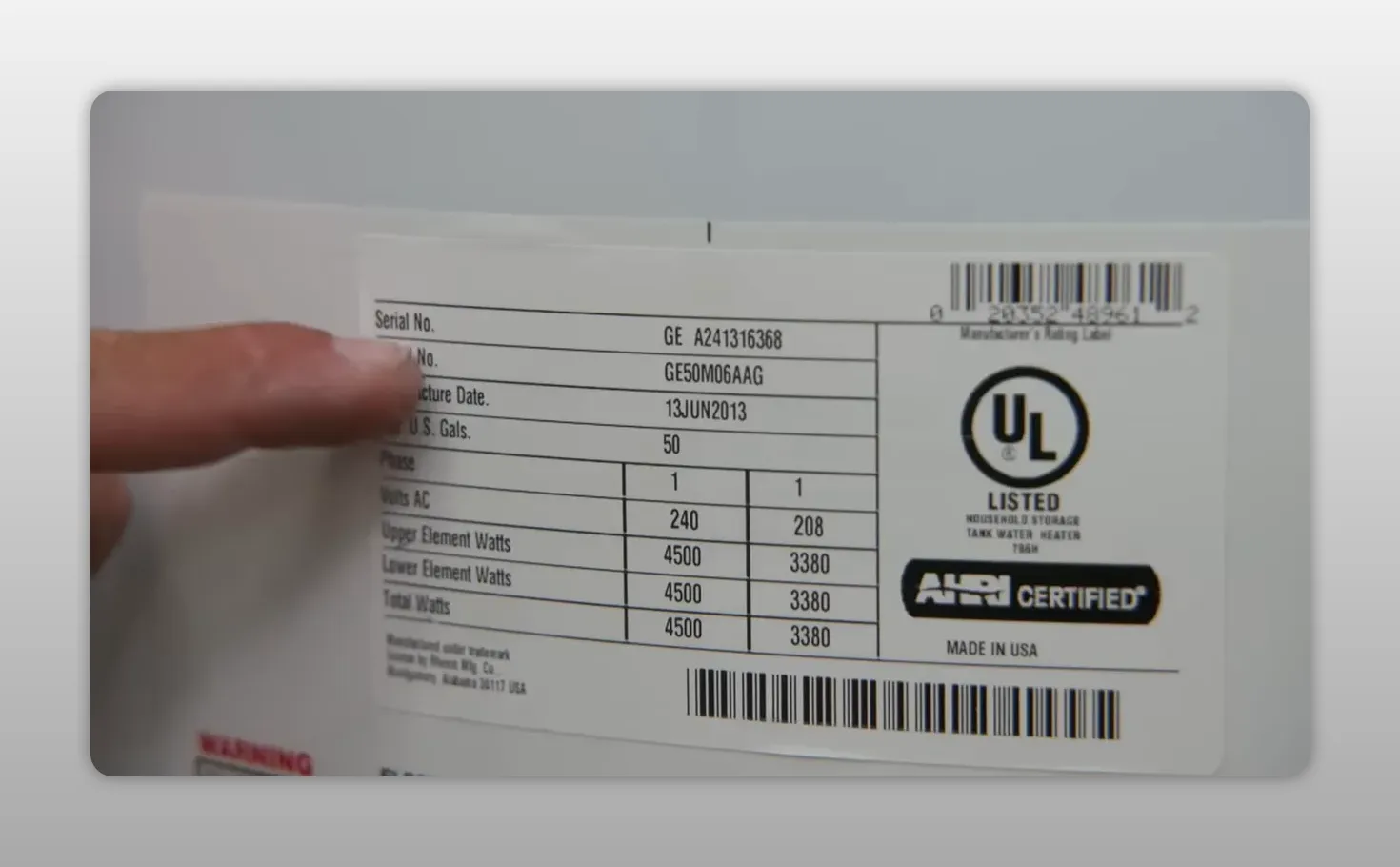
Before anything else, find the rating plate on the side of the tank. It lists the model number, capacity, and the manufacture date, usually built into the serial number. If you bought your home with the water heater already in it, this is the quickest way to stop guessing about its age.
The Anode Rod: Why Tanks Eventually Leak
Every glass-lined tank has a sacrificial anode rod inside it, usually magnesium or aluminum. Its job is to corrode so the steel tank doesn’t. Once the rod is used up, the tank starts taking that corrosion instead, and that’s a big part of why tanks eventually spring a leak.
The video recommends checking or replacing the rod every two to three years. That’s a good habit, especially early in a tank’s life. On an older tank, rods can be hard to get out, so it’s worth weighing whether a new rod or a new water heater makes more sense. Most tanks I install carry a six-year manufacturer warranty, which gives you a rough sense of how long the maker expects the tank to hold up without help.
Does Draining a Water Heater Help?
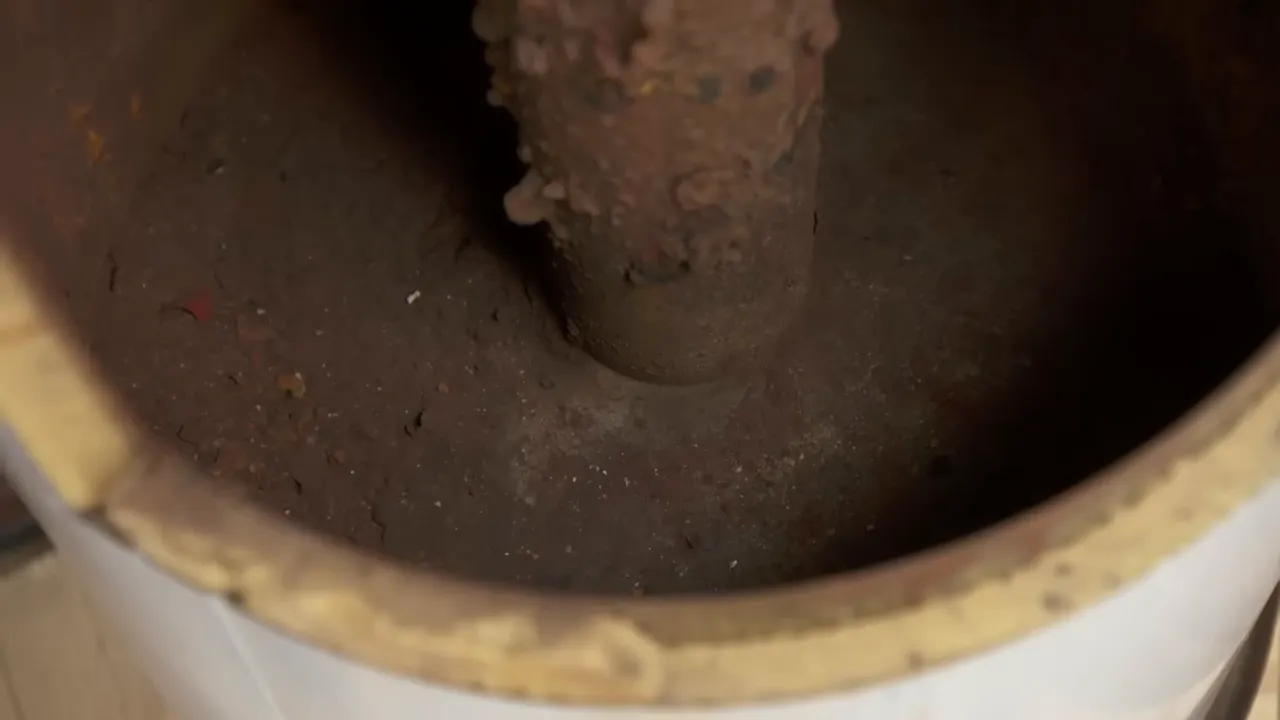
Yes. Minerals in the water settle to the bottom of the tank as sediment, and over time that layer takes up space and can make the tank work harder.
The method from the video is the one to follow. Shut off the cold water supply, hook a hose to the drain valve at the bottom, and open it. Then briefly turn the cold supply on and off a few times. Those quick bursts stir up the sediment so it actually flushes out, instead of the water just running past it.
If you have a tankless unit, the maintenance is different. Instead of draining sediment, it needs a descaling flush through the heat exchanger. I offer tankless water heater flushes for exactly that.
What to Do When Your Water Heater Is Leaking
Finding water around the tank is stressful, but most leaks start small. You usually have time to get ahead of it.
- Shut off the cold water supply valve that feeds the water heater.
- Turn off the gas to the water heater, or the power at the breaker if it’s electric.
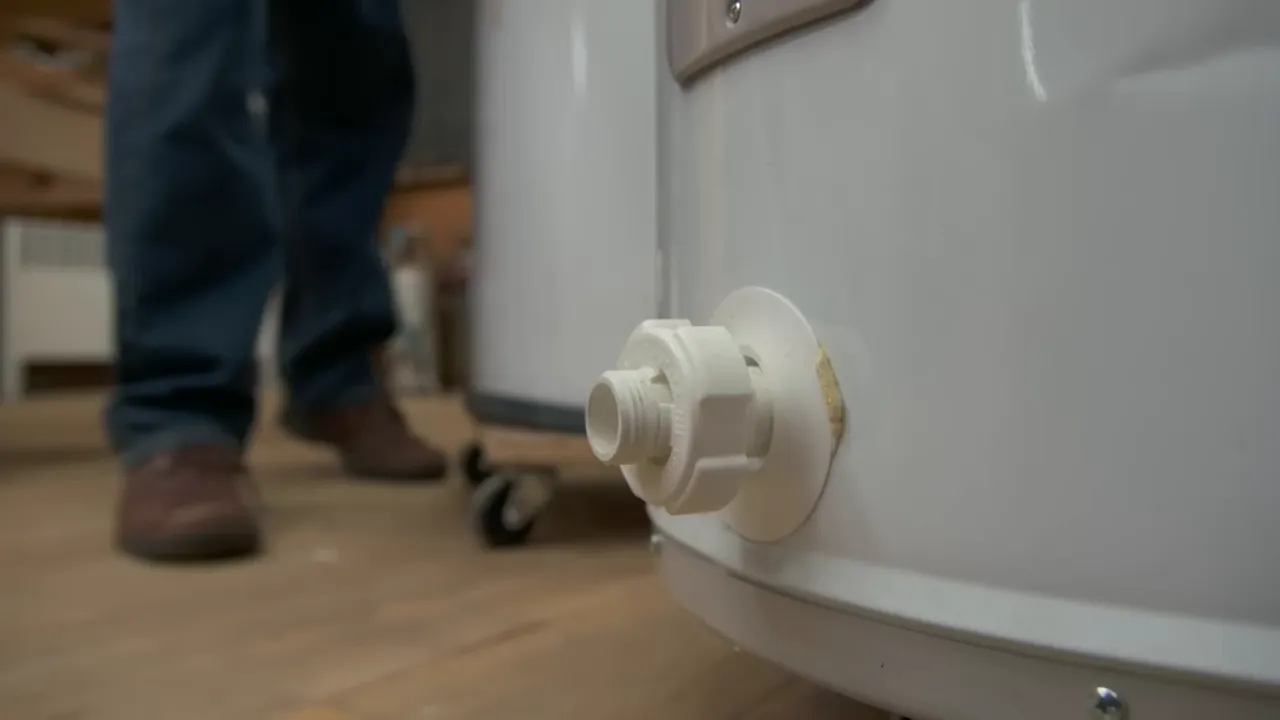
- Connect a hose to the drain valve near the bottom of the tank.
- Open the valve and drain the tank below the level of the leak.
- Call a plumber about water heater repair or replacement once things are under control.
Common Water Heater Mistakes
- Waiting for it to fail. A lot of people call once it’s leaking and want the quickest, cheapest way to get hot water back. That’s understandable, but it leaves fewer options than planning ahead.
- Deciding on tankless during an emergency. Tankless units often need a larger gas line and different venting, so that switch is better planned before the old tank gives out.
- Not knowing where the shutoffs are. Finding the cold water valve and drain valve ahead of time makes a leak much easier to handle.
- Skipping the expansion tank. Code now requires one when a water heater is replaced if the system doesn’t already have it, so make sure it’s part of the quote.
Water Heater Maintenance Checklist
- Check the rating plate and write down the manufacture date.
- Start planning a replacement once the tank is in the 8 to 12 year range, sooner if it sits near finished space.
- Have the anode rod checked every two to three years.
- Flush sediment using short bursts from the cold supply, not just a straight drain.
- Locate your cold water shutoff, gas valve or breaker, and drain valve.
- If tankless is the long-term plan, sort out the details before you need it.
Water Heater Lifespan FAQs
How do I tell how old my water heater is?
Look at the rating plate on the side of the tank. The manufacture date is listed there, often as part of the serial number.
Should I repair or replace a leaking water heater?
If the tank itself is leaking, it usually needs to be replaced. Leaks from fittings or valves can sometimes be repaired, so it’s worth having a plumber check where the water is coming from.
How often should I flush my water heater?
Periodic flushing helps remove sediment. Shut off the cold supply, drain through the bottom valve, and pulse the cold water on and off a few times to stir up what’s settled.
When to Repair or Replace Your Water Heater in Colorado Springs
None of this means you need to replace a water heater just because it’s getting older. It’s about knowing what you have, so a small leak gets handled calmly instead of in a rush. If you’d like a second set of eyes on whether your tank is worth keeping or due for a water heater replacement, I’ll come take a look. Estimates are free, and there’s no trip fee.
It’s just me on every job, and I’m licensed as a master plumber in Colorado. Labor carries a one-year warranty, and our Google profile has 17 five-star reviews if you’d like to see what other homeowners have said. You can find more about my Colorado Springs water heater services on the site.
I work throughout Colorado Springs and El Paso County, including Falcon, Fountain, Monument, and Peyton.
Koala Water Heaters
Phone: (719) 900-3213
Website: koalawaterheaters.com