
Water Heater Colorado Springs: Heat Pump Pros and Cons
Is a heat pump water heater worth it for a Colorado Springs home? I’m Tim Hernandez, owner of Koala Water Heaters, and Attainable Home put together a useful breakdown of the downsides of heat pump units, covering repair costs, upfront price, noise, and more. It’s worth watching before you commit to one. Most of it applies anywhere, but a few of the points change once the unit is sitting in a Colorado Springs basement or garage in January, so that’s what I want to add.
Video and screenshots are used for commentary and educational purposes. Attainable Home is not affiliated with or endorsing Koala Water Heaters.
Heat Pump Water Heaters and Colorado Springs Winters
A heat pump water heater works by pulling warmth out of the air around it and moving that heat into the tank. In places where the air around the unit stays warm most of the year, that’s easy. Colorado Springs sits over 6,000 feet up, and a garage or unheated basement here can get cold in winter. That one fact shapes several of the tradeoffs in the video.
It’s also why location is one of the first things worth sorting out with any water heater in Colorado Springs: a basement, a crawl space, or the main level. With a heat pump unit, the answer matters even more than usual.
More Parts Means More That Can Break
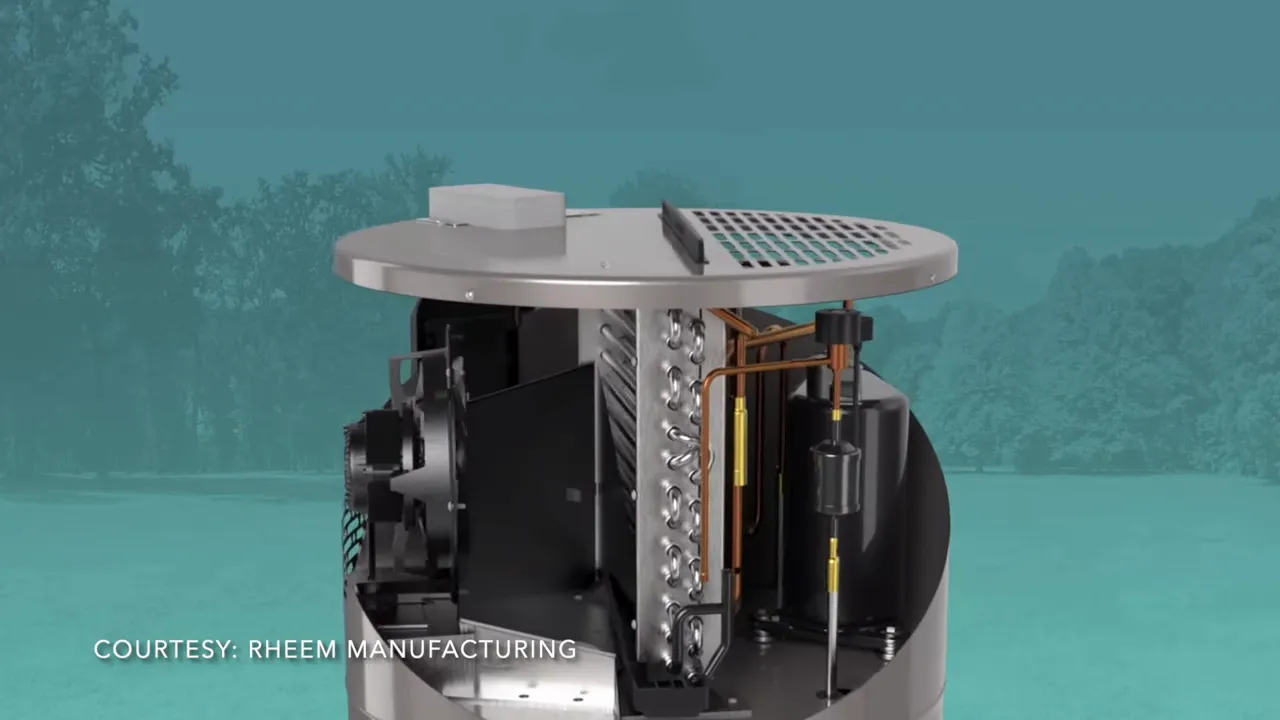
A heat pump water heater is basically a tank with a small heat pump on top, a bit like an air conditioner running in reverse. That’s what makes it efficient, and it’s also more mechanically involved than a standard gas or electric tank.
Before buying one, read the warranty paperwork closely. Check how long parts are covered, how long labor is covered, and whether those match. A long tank warranty doesn’t always come with long labor coverage.
The video shares a good example of why this matters. A heat pump component failed, the backup electric element kept the house in hot water, and the owner never got the heat pump side fixed. They kept paying for less efficient heating without realizing it. Hot water coming out of the tap doesn’t always mean the unit is running the way it should.
Heat Pump Water Heater Cost
The video makes the point that these units cost noticeably more upfront than a basic electric tank, and that’s worth planning around. For context, our installed price for a standard 40-gallon electric tank starts at $1,739.
There’s still some help available to bring that number down:
- Colorado Springs Utilities rebate. If CSU is your utility, a qualifying heat pump water heater may get a rebate of up to $750. The application has to be postmarked by January 31 of the year after you buy. The details are on the CSU water heater rebate page.
- Colorado’s state heat pump tax credit. This one goes through registered contractors rather than your own tax return. For 2026, it’s $250 for a heat pump water heater, and at least $83 of that has to come back to you as a discount on the install.
- HEAR and HOMES rebates. Colorado’s federally funded HEAR program offered income-qualified households rebates on heat pump water heaters, but the single-family program closed in late April 2026 for the Front Range region that includes El Paso County. The HOMES program is aimed at manufactured homes and large apartment buildings, so it won’t apply to most single-family houses. Check the Colorado Home Energy Rebate Program page in case either one changes.
If a different utility serves your home, check with them directly. These programs change often, so confirm the current amount before you compare prices.
Air Space and Condensate: Where Our Climate Changes Things
Because these units pull moisture out of the air along with heat, they need a way to drain condensate. That can go through an exterior wall, into a floor drain, or to a small pump if gravity drainage won’t work. Plan that before the install, not during it.
They also need enough air around them. Most units list a minimum amount of surrounding air in the manual, and a small closet often won’t meet it. Check the requirement for your specific model before you pick a spot.
Here’s the catch for our area. A garage might have plenty of air volume and still be a poor fit in winter, because cold air doesn’t have much heat for the unit to pull from. When that happens, the unit leans on its backup element and loses much of its efficiency. The space needs to be both big enough and warm enough, and those don’t always line up.
Heat Pump Water Heater Noise
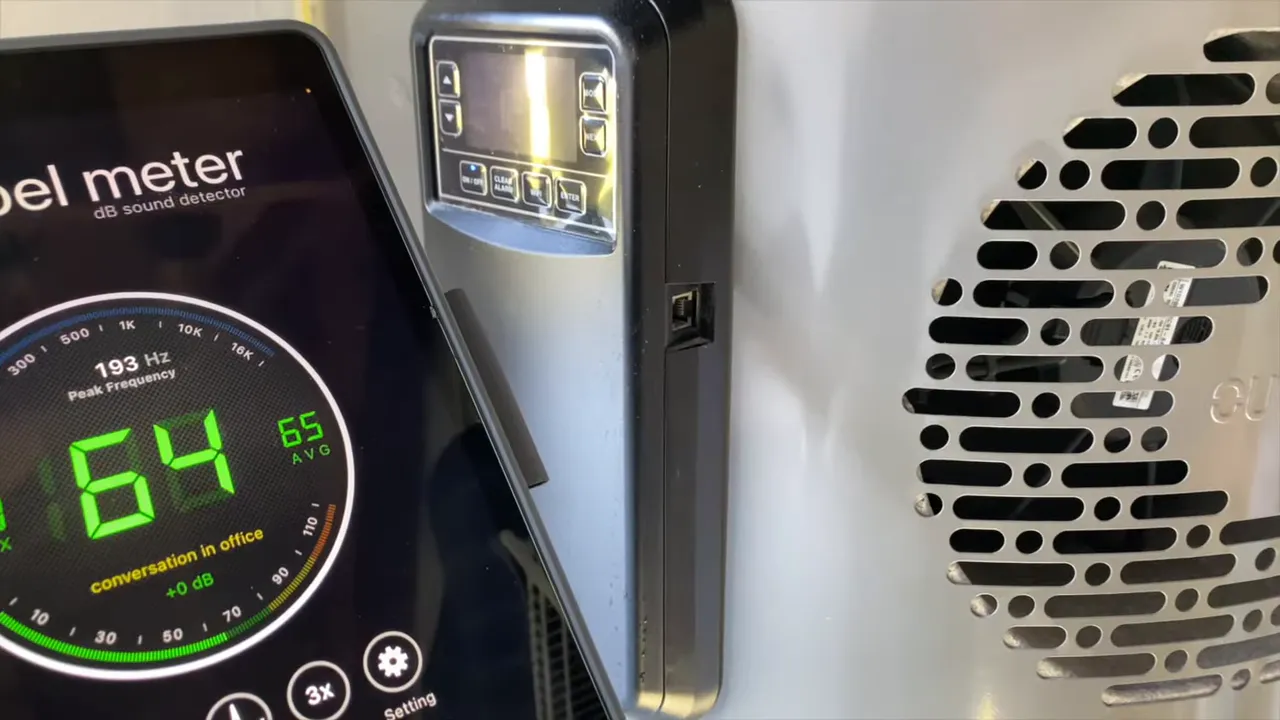
The fan and compressor make a steady hum, and depending on the model, it can be loud enough to hear through a wall in the next room. In a detached garage or unfinished basement, it usually isn’t an issue. If the only spot available is a utility closet next to a bedroom or living area, noise becomes a real part of the decision.
You Can Still Run Out of Hot Water
Under all the technology, a heat pump water heater is still a storage tank. If your household regularly drains it, you’ll still be waiting on it to recover. The video suggests sizing up a bit, for example going one size up from your current tank. That’s a reasonable approach, and it’s worth thinking through how your household actually uses hot water before assuming the same size will work.
Common Mistakes With Heat Pump Water Heaters
- Treating it like a straight swap. Putting a heat pump unit in the same small closet the old tank came out of without checking air volume, drainage, or noise.
- Assuming a garage always works. A garage can be the right spot in a mild climate and a poor one through a cold Colorado winter.
- Going by an older article’s rebate numbers. A lot of what’s online still lists programs that have ended or run out of funding. Check CSU and the Colorado Energy Office for what’s open now.
- Not checking on it. If the heat pump side fails, the backup element can keep the water hot while your efficiency quietly drops.
Heat Pump Water Heater Checklist
- Read the warranty terms for both parts and labor.
- Check Colorado Springs Utilities or your own utility for current rebates, and ask whether your installer can pass along the state heat pump credit.
- Plan the condensate drain before installation.
- Measure the room against the manufacturer’s air volume minimum, and think about how cold it gets in winter.
- Consider noise if the unit will sit near bedrooms or living space.
- Talk through your household’s hot water use before choosing a tank size.
Heat Pump Water Heater FAQs
Do heat pump water heaters work in cold climates?
They can, as long as the space around them stays reasonably warm. In a cold garage, they rely more on the backup electric element and lose much of their efficiency advantage.
Are there rebates for heat pump water heaters in Colorado Springs?
Yes. Colorado Springs Utilities offers a rebate of up to $750 for qualifying heat pump water heaters, and Colorado’s state heat pump tax credit adds a smaller discount when the unit is installed by a registered contractor. The income-qualified HEAR rebates have closed for El Paso County, so the CSU rebate is the main one to look at.
How much space does a heat pump water heater need?
It depends on the model. Most manufacturers list a minimum air volume in the installation manual, and a small closet often falls short, so check that number before choosing a location.
Is a Heat Pump Water Heater Right for Your Colorado Springs Home?
Most of what I install day to day are standard gas and electric tanks and tankless units. If you’re leaning toward a heat pump model, I’m glad to talk through whether your space has the room, warmth, and drainage it needs before you buy one. If a conventional water heater replacement or a tankless water heater ends up being the better fit, we can talk about that too. Estimates are free and there’s no trip fee.
We’ve been serving Colorado Springs since 2013, and I’m a Colorado-licensed master plumber. Call or text (719) 900-3213 whenever you’re ready.
I serve Colorado Springs, Falcon, Fountain, Monument, Peyton, and the rest of El Paso County.